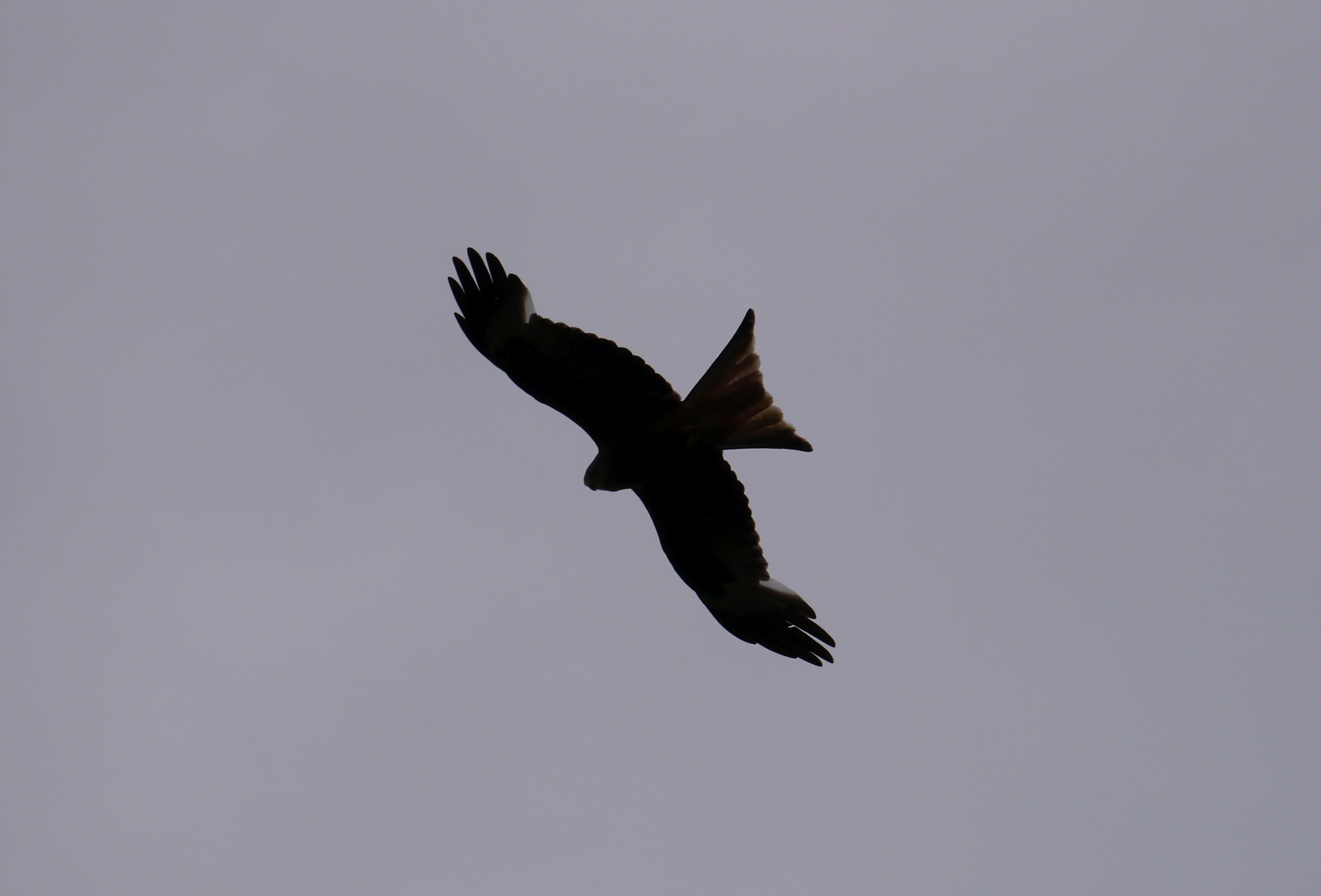
You need to keep one eye on the sky round here!
All photographs are copyright Lynne Revette Butler.


All photographs are copyright Lynne Revette Butler

You need to keep one eye on the sky round here!
All photographs are copyright Lynne Revette Butler.
All photographs are copyright Lynne Revette Butler
This quirky rose is also known as the Crested Moss or rosa centifolia cristata; it was apparently discovered in the 1820s growing against a convent wall in Fribourg, Switzerland.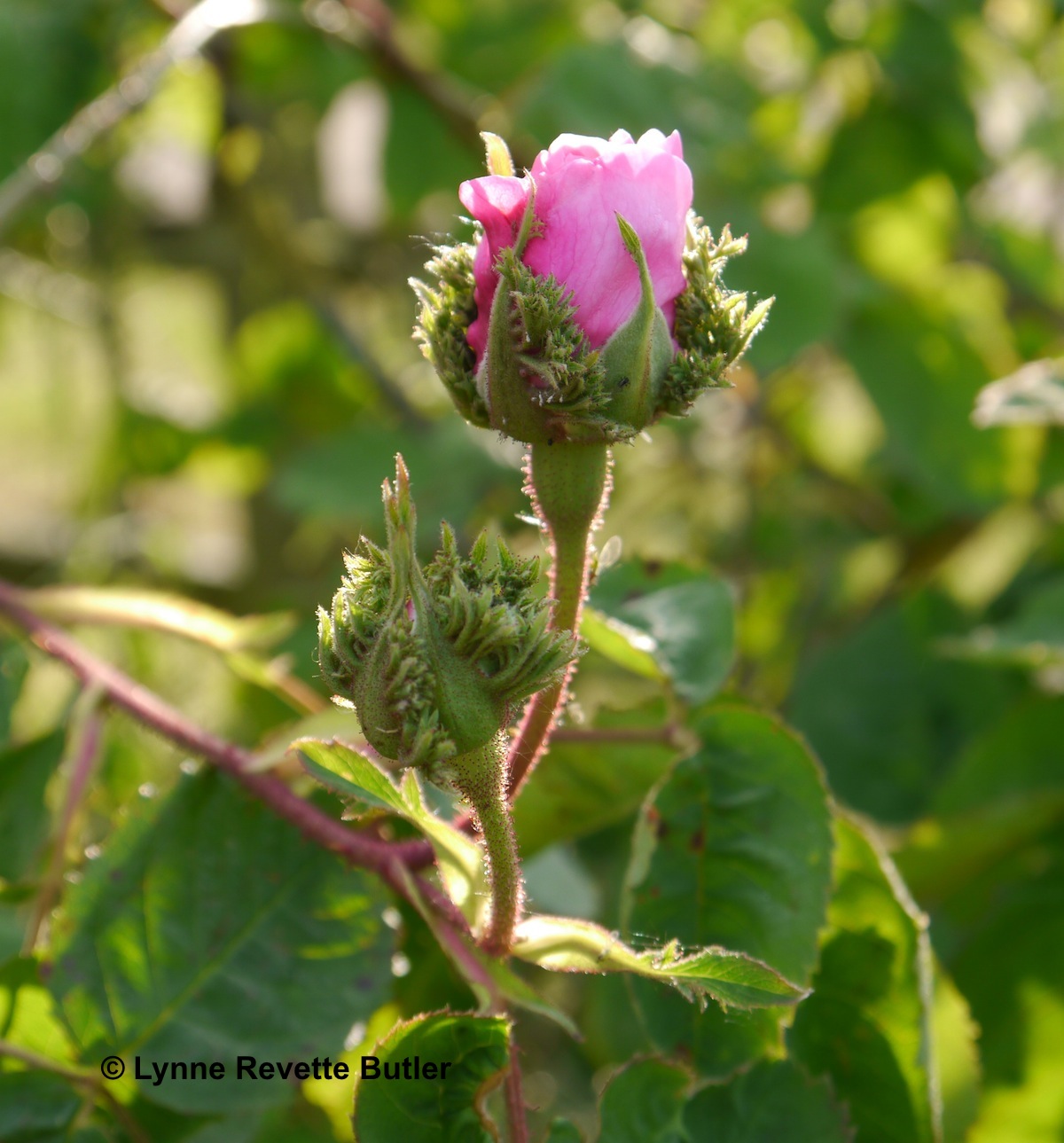
The fringed, mossy sepals give the buds a shape similar to Napoleon’s hat, hence the name, and people are always intrigued the first time they see them. It is hardy in Zones 5 to 7 and should be fine in Zone 4 with a little protection.

The scent is exquisite but the foliage up the long arching canes is a little sparse; in my garden I peg some of them down into the soil amongst neighbouring plants and new laterals form along their length so you end up with rose flowers over a large area.

This afternoon the sun came out and the humid oppressiveness of the past few days lifted; the air was warm and scented by roses, with just a soft breeze blowing, so I decided to sit by the pond to continue editing Ellie’s story. Ten minutes later the damselflies arrived in large numbers; I had seen the odd one or two about over the last couple of weeks but today’s visitors were a photographic opportunity I could not let slip by.

2 common blue and 1 large red

9 common blue flying too fast for the mode I was using!

1 common blue; worth clicking on for a clearer view
I failed to capture a decent shot of the frog in the reeds but I’m sure I heard him saying “eddit, eddit, eddit.”
Every year we look anxiously at this area in mid-May and for the last six years we have been rewarded by the sight of orchid leaves pushing up through the grass. They do not always flower but this year’s conditions must have been acceptable to the fussy little prima donnas.
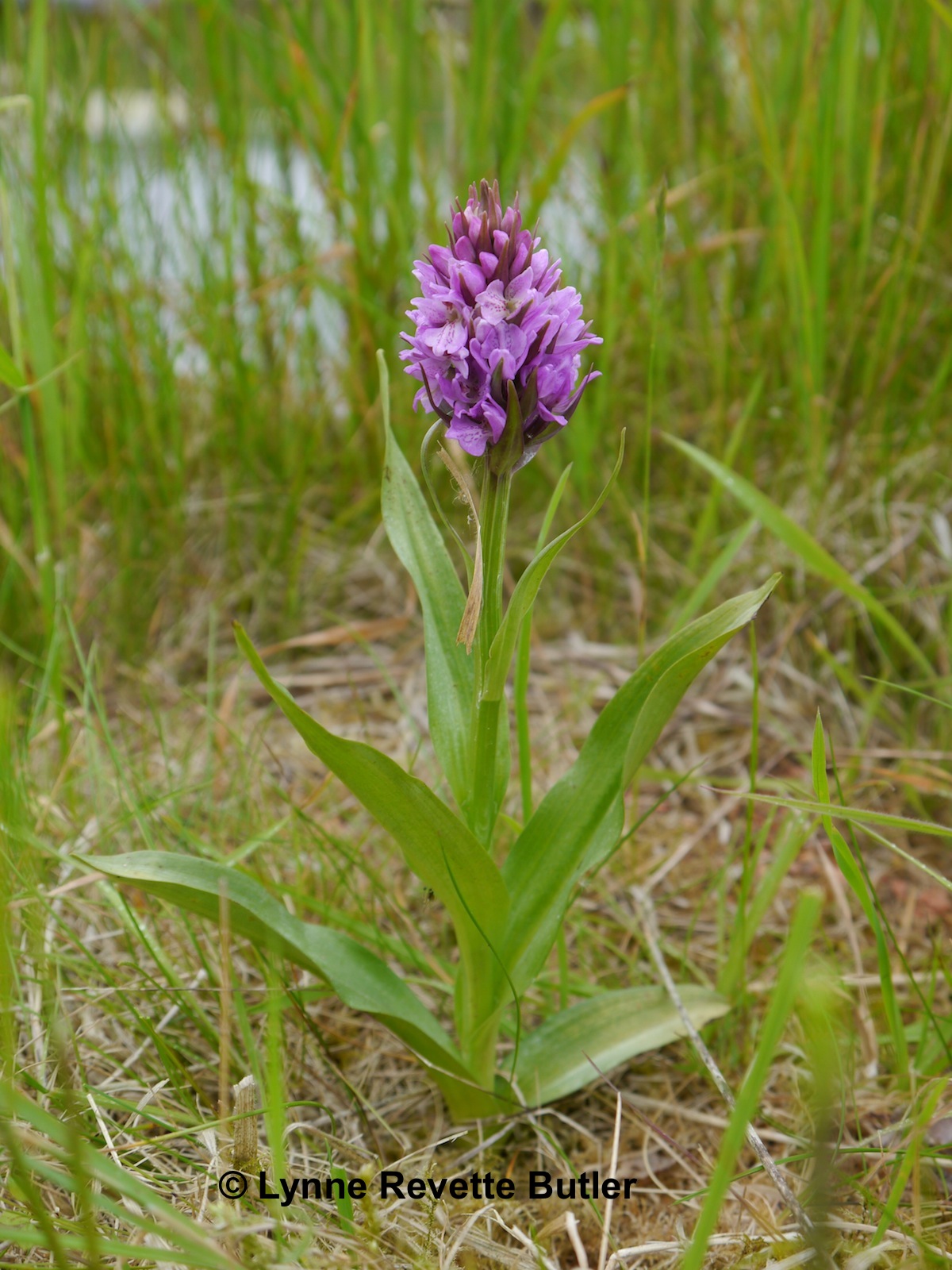
orchid near the wild garden pond
Have you all made a promise for World Oceans Day?
I am still tweaking my novel but the time has come when I can no longer put off the tricky matter of choosing a cover design. I had not understood the importance of the cover on ebooks when I started writing the story so I’m more anxious about this aspect of digital self-publishing than I had anticipated.
One regular piece of advice is to visit booksellers and see which covers from your genre catch your attention as you walk towards the stands. Earlier this week I went into a well-known High Street shop that sells books, magazines, stationery etc. with the intention of choosing two or three of their top-one-hundred-selling paperbacks based entirely on my reaction to their front cover design. I have never bought a book without reading the synopsis; this was an experiment to see if the stories fulfilled my expectations created by their covers alone. My plan was short-lived, however, as every book’s cover was partially obscured by a large red sticker showing the special deal if you bought two books at the same time. If your book is amongst the top five in the bestsellers list I suspect that this would not bother you, but what if you are a new author whose book has crept into the top one hundred for the first time, someone relying on readers being drawn to their book first because the cover is striking. I came away without buying any books but will try my experiment again in a proper bookshop where there will, hopefully, be shelves full of naked books for me to admire.
I would like to know how you feel about covers being defaced by large stickers after so much effort has been put into their design so please leave a comment.
One of the roses is flowering and half a dozen of the others have burgeoning buds that will soon open and release their exquisite fragrance; sadly, if this strong north-easterly wind does not stop blowing, nobody will be able to smell it although the residents of the neighbouring village might just catch a whiff as it hurtles past.
Many people who are avid readers of whodunits but not particularly keen gardeners will still know about the thornless climbing rose “Zephirine Drouhin” which appears in Agatha Christie’s story “Sad Cypress.” The photograph I took today shows a sport of that variety, also thornless, called “Kathleen Harrop” but this one is much less well known. It grows against a wall of our house and I have used it in my manuscript as a clue for Ellie.

Kathleen Harrop

late spring exuberance
The iris is that old favourite Jane Phillips, one of the few good garden plants growing here when I arrived over forty years ago. The white sweet rocket (hesperis matronalis) is a bit battered by the wind but on a calm sunny evening it fills the garden with scent. The centre of the bed is lacking colour this month because the plants died during the winter and I am still dithering about replacing them.
Next month I shall need to trim the hedges but for now they are resplendent in their spring-green foliage.
photo copyright Lynne Revette Butler
These are some of the definitions of the verb “pigeonhole” – classify, categorize, compartmentalize, characterize, label, brand, tag, typecast
I can still remember the first time that while I was shopping on the Internet a message appeared saying (approximately)
“buy just 9 more items and we will make recommendations for your future purchases; we will know what you want ”
At first I thought this seemed quite clever of them because I frequently go through hours of inner turmoil trying to work out what I want. Soon it was only necessary to buy one product before I was told not only what I might like to buy next but what other people who had bought the same kettle, DVD, ink cartridge etc. had gone on to buy afterwards. Then I was asked not just to provide feedback on my purchases, which I considered a perfectly acceptable request, laudable even, but for feedback on their recommendations. At this point I cried “enough” and checked every ‘don’t send me’ box I could find to stop companies from either putting me in a category or guiding me towards membership of another one by bombarding me with information about allegedly comparable shoppers.
I once agreed to take part in an on-street survey about the clothing and food shops I used and the lifestyle/hobby magazines I either bought or just read on a regular basis; the participants were to be rewarded with an analysis of their lifestyle group. I took part for three reasons a) my lunch companion was late arriving b) the whole idea was so absurd it was strangely appealing and c) because I felt sorry for the poor woman trying to fulfil her daily quota in a frankly hostile environment. However, after five minutes she decided I was having a laugh at her expense and deleted my profile. Why? Presumably because the program did not allow for small grandmas who arranged flowers to also ride powerful motorbikes, had no way of scoring the combination of “The English Home” and “Ms. Magazine” or cheap denim jeans from M & S with handbags from Smythson. I was messing with her tick-boxes, it didn’t compute.
I enjoy preparing food for others to eat, I like sliding between crisp, fresh sheets I have washed and ironed, but, if the call comes, you’ll find me marching banner in hand to defend the right of other women to abstain from these activities without having to justify themselves. I can campaign to stop marine pollution and, in the comfort of my own home, get more than a little merry on a good malt whisky; these things are not mutually exclusive.
I feel I am increasingly expected to fit someone else’s narrow vision of me, that we have not made the expected progress since the 1960’s when I was burning bras and challenging stereotypes. If you read my A to Z posts you will know that I do not discuss my creative writing with local friends ; this post was partly prompted by the incredulous reaction of a local lady when I broke my own rule and gave her a full answer to “what are you doing now?” “All the same old things plus I’m working on the second draft of my manuscript” was clearly not the right answer.
Is it just because I have lived through the 1960’s into my own sixties that I feel abused by society’s continuing apparent need to pigeonhole me? The one notable exception is the splendid insanity of Twitter where I willingly pigeonholed myself in only 140 characters; sadly this does not allow me the opportunity of saying that I have gone back to my abandoned teach yourself basic Italian course in the hope of understanding the two, hopefully charming, Italian gentlemen who decided to follow me and who I followed back because it seemed rude not to.
The spring flowers in my rather exposed country garden are suffering from the cold, wet, windy weather so I am picking more than usual for cut-flower arrangements indoors.

outside with raindrops
The rhizomes of Iris Florentina (now, apparently, properly called Iris Germanica florentina) are the source of “Orris Root”, once widely used in herbal medicine, but now chiefly used in the production of perfumes.

newly picked, in the greenhouse
The flowers have their own delicate scent but the lily-of-the-valley are overpowering it out in the garden.

perfection 6 hours later, ready to be permanently captured in the dry, warm darkroom
All photographs copyright Lynne Revette Butler
what's shiny today?
sueturner31
From suburban lawn to backyard homestead...with ducks. A journal by Lori Fontanes
Parks & Gardens in London, the UK & abroad
Gardening on the edge of a cliff
Writer
A Writers Journey
"If you have a garden and a library, you have everything you need." Cicero
An Englishman and an Italian / English Dictionary
Finding hope in a chaotic world...
Images and stories from my travels and life in the Northern Territory and Queensland.
Where was I? Oh yes...
 lynnerevettebutler